The festival's reverberations have dissolved into Nakanojo's mountain valleys, transforming into the pulse of a new season. We close the great circle of the 10th edition. Taking its accumulated energy as sustenance, we step forward into unknown territory extending toward the next decade and beyond. From this soil that twenty years have cultivated, fresh shoots of expression are emerging once again.
As we embark on this new chapter, the guidepost we raise for our journey ahead is William Blake's poem "The Echoing Green," which the 18th-century poet and painter included in his collection "Songs of Innocence." When we reflect upon it, our path has always been a quest for utopia. For the 9th edition, our theme was Sebastian Münster's "Cosmographia." We overlaid the act of following unseen paths with the creative activities of artists. At the end of those footsteps toward unmapped places, we arrived at the paradise of the 10th edition: "Mountain of Light." There, beyond the glow of former industries like sericulture and iron ore mining, artists rendered a vivid landscape of a "new world" that spread before us.
In 2027, "The Echoing Green" deepens our previous explorations and attempts to manifest in Nakanojo the world of innocence that Blake imagined. In Blake's green, the sun rises, festive bells bless the spring, and children's innocent cries of joy race across the green field. Beside them, under the aged oak tree, the elderly gently smile as they see their former selves reflected in the children.
The moment is vividly portrayed: the past embodied in the elderly and the future embodied in the children intersect on the same green. Fading memories and hopes yet to be born join hands in miraculous resonance, sharing the same present time and the same earthen space. The souls of those who once loved this land, cultivated it, and eventually returned to the soil. The children who begin their new games upon that soil. This "cycle of life," repeated by Nakanojo's land for thousands of years, is what we have chosen as this year's theme: "Echoing Green."
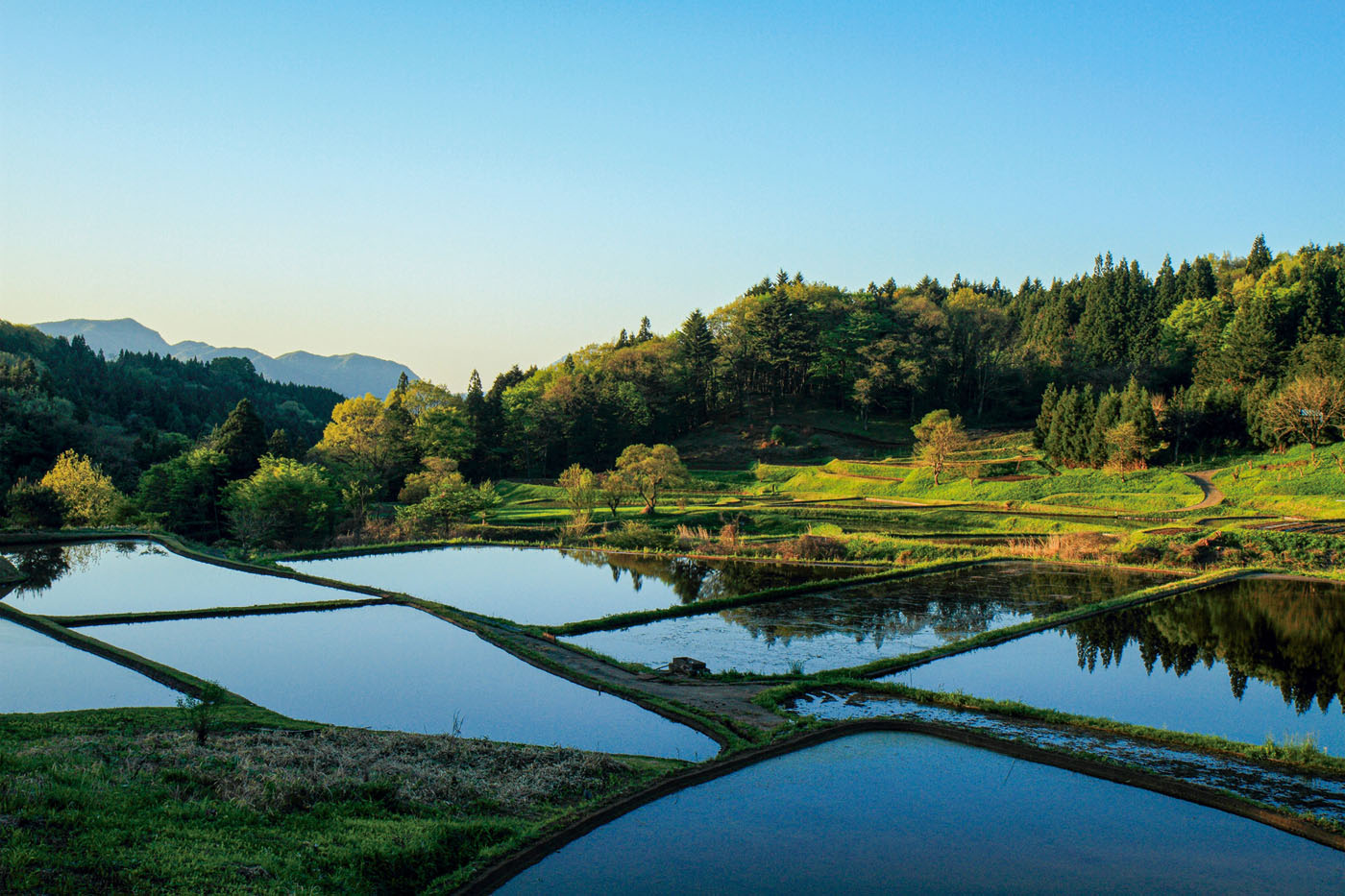
In this theme, the green we employ symbolically is the vast land of Nakanojo itself and the fertile soil of the community living there. We have imbued the color green with the prayer for regeneration that sprouts after harsh winters, the ceaselessly repeating cycle of rebirth, and the meaning of life's activities passing down through generations. The great circle of the 10th edition closes, and now a new life, the 11th edition, is beginning to bud forth. Death is not an ending but a silence that nurtures the next life. This green of community, nourished by memories of the past, holds deeper and more vivid greenness as it awaits the future.
The works that artists release are the echo that makes this vast green tremble and visualizes the chain of life. Art is never an isolated point but an urgent call sent forth toward the green of community. Artists listen intently to the voice of the land and gather up an echo. This is the work itself that they create, filling the space as a lingering reverberation.
The 11th Nakanojo Biennale is a festival for connecting the baton handed down from the past to the next generation and making it resound into the future. The sun rises, the green shines, and eventually shadows lengthen and night arrives. Yet even in that darkness, the echo continues faintly without pause, quietly awaiting the next generation's dawn. Endings always carry beginnings within them, and the resonance left by a single creator will surely become the force that makes something new sprout.
Just as we see the world in a grain of sand and heaven in a wildflower, we seek to perceive from this single green of Nakanojo the great cycle of life and the innocent utopia that Blake dreamed of. In this place where past and future, the elderly and children, life and death intersect upon a single green, please join us as one precious echo. When our voices overlap and resonate together, Nakanojo's green will surely be dyed in multilayered, eternal greenness unlike any before.
In this place where the succession of new life begins, we look forward with all our hearts to exchanging the resonance of creation with you once again.
The Nakanojo Biennale is an international contemporary art festival held every two years in Nakanojo Town, Gunma Prefecture. Surrounded by magnificent mountain scenery, Ramsar wetlands, hot spring villages with deep histories, sericulture, festivals, and traditional folk events, Nakanojo Town offers visitors the unique opportunity to experience beautiful satoyama culture that cannot be found anywhere else. Artists stay and work in this unique mountain village community and present their creations during the Nakanojo Biennale. For the 11th Nakanojo Biennale 2027, we are calling for a wide range of artists from Japan and abroad with innovative ideas and projects from various fields.

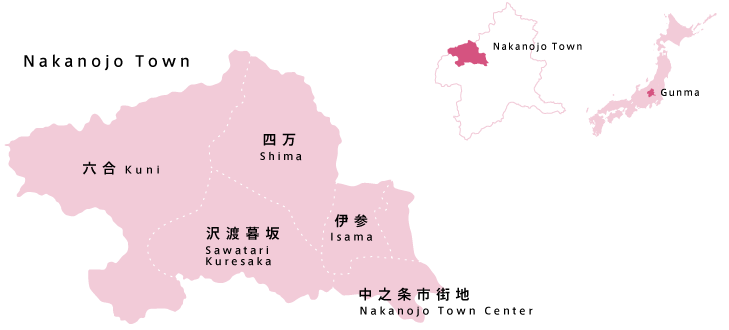
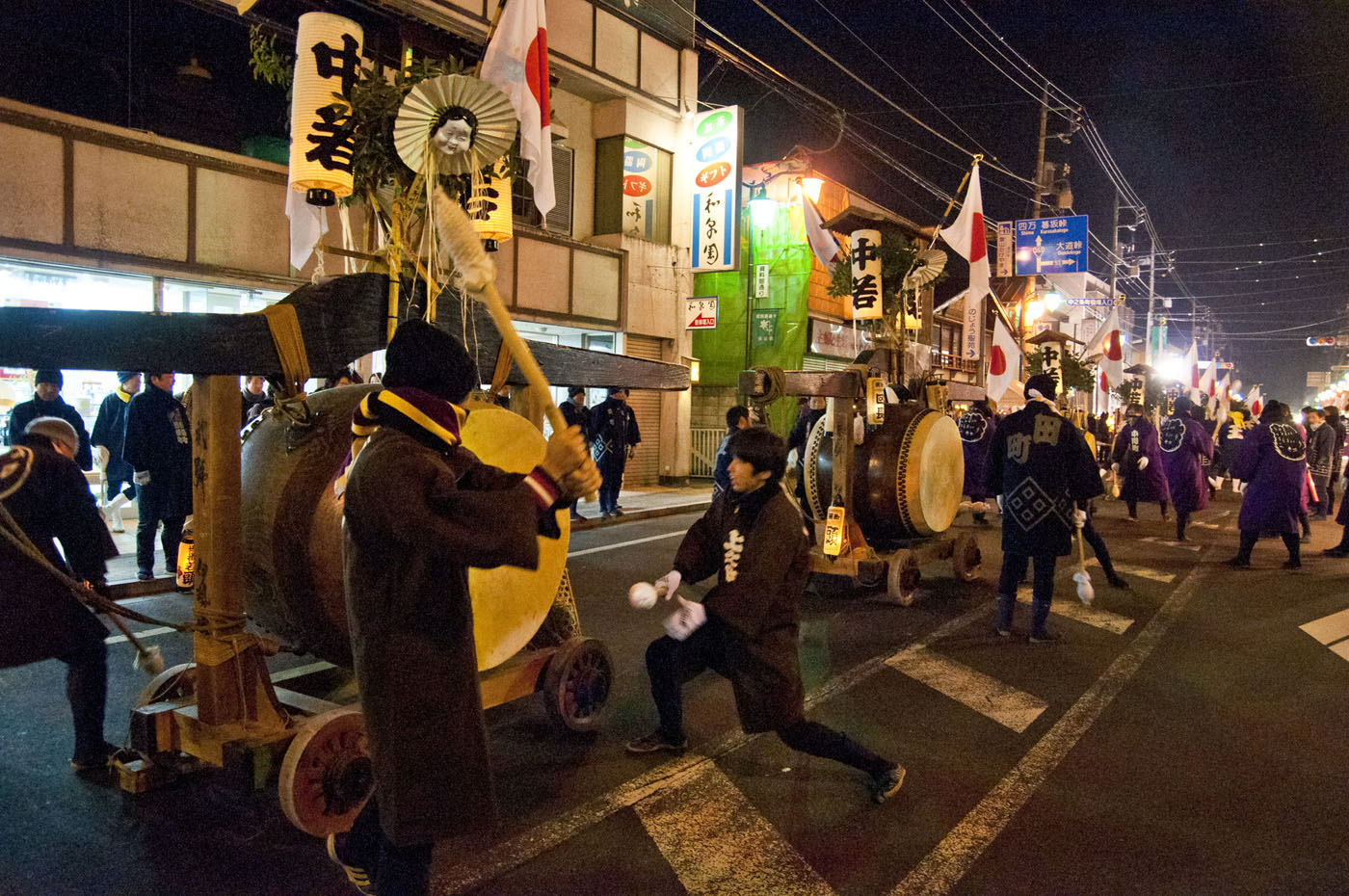
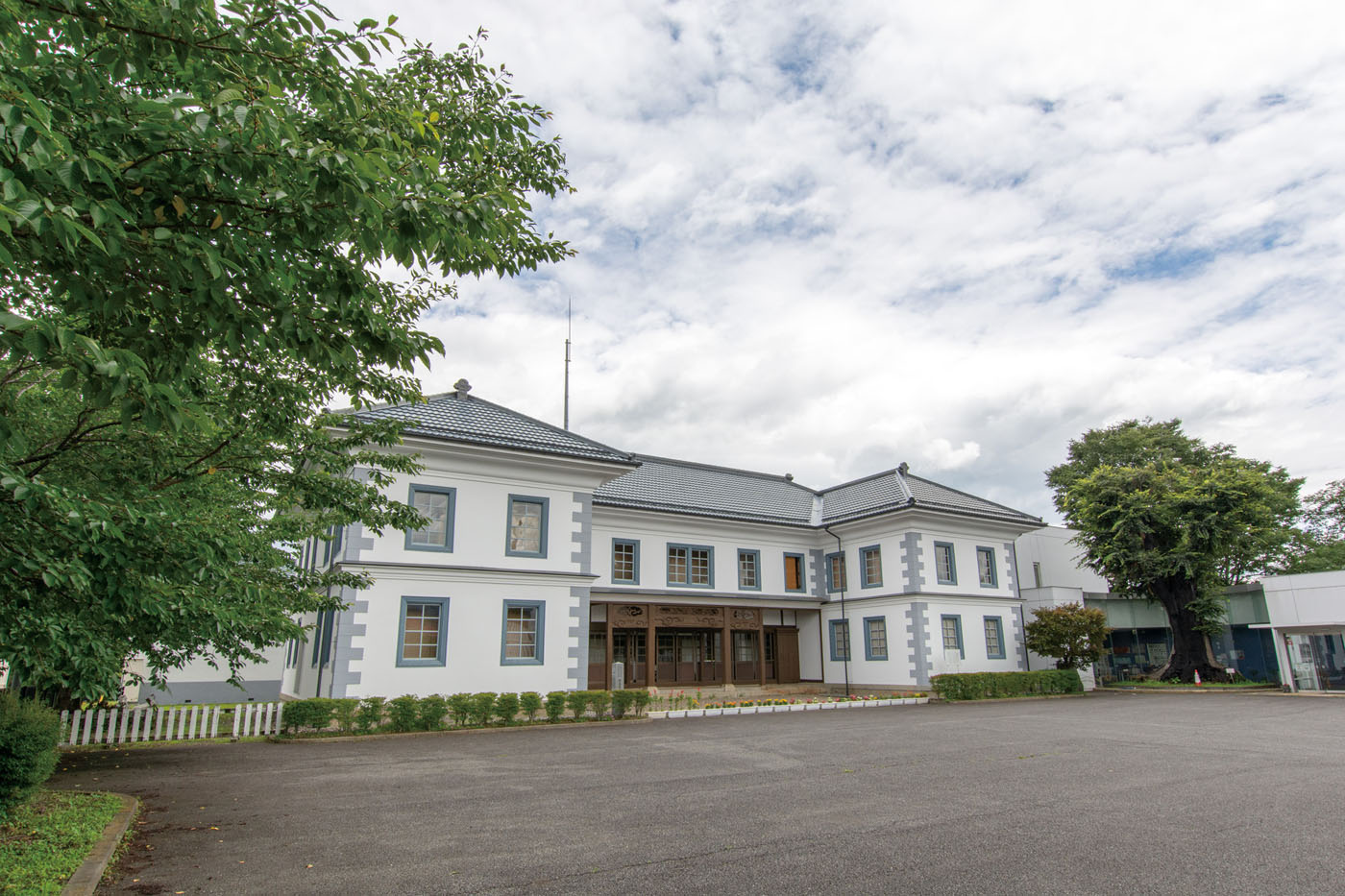
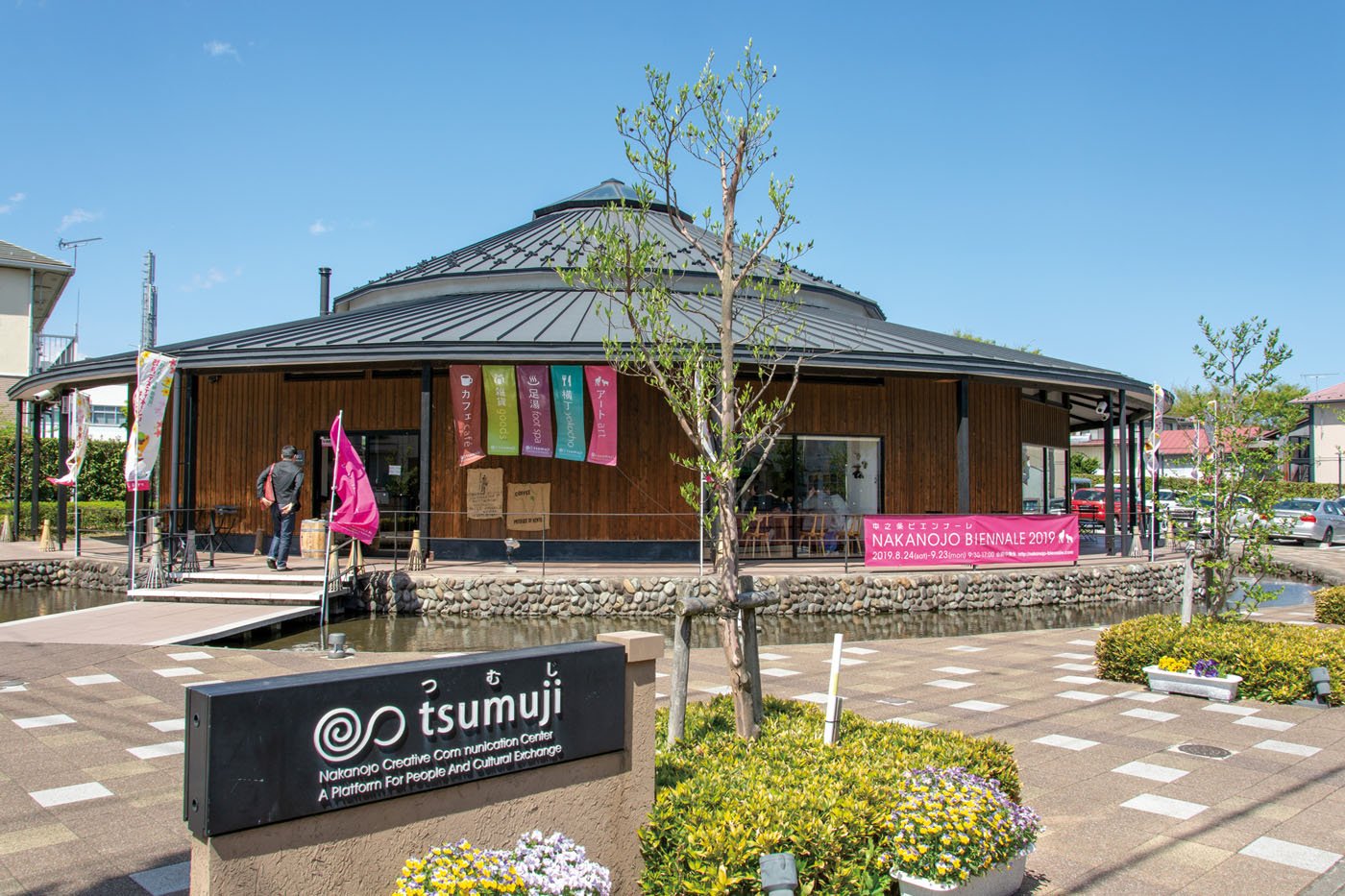
The urban area, the center of town, is the most populated area in Nakanojo. Nearby public facilities include restaurants, bars, a supermarket, and convenient stores. The Museum of Folk and History, Musee, has a great collection of artifacts from the district. The area hosts traditional festivals, such as Gion-Matsuri in summer and Torioi-Matsuri in winter.
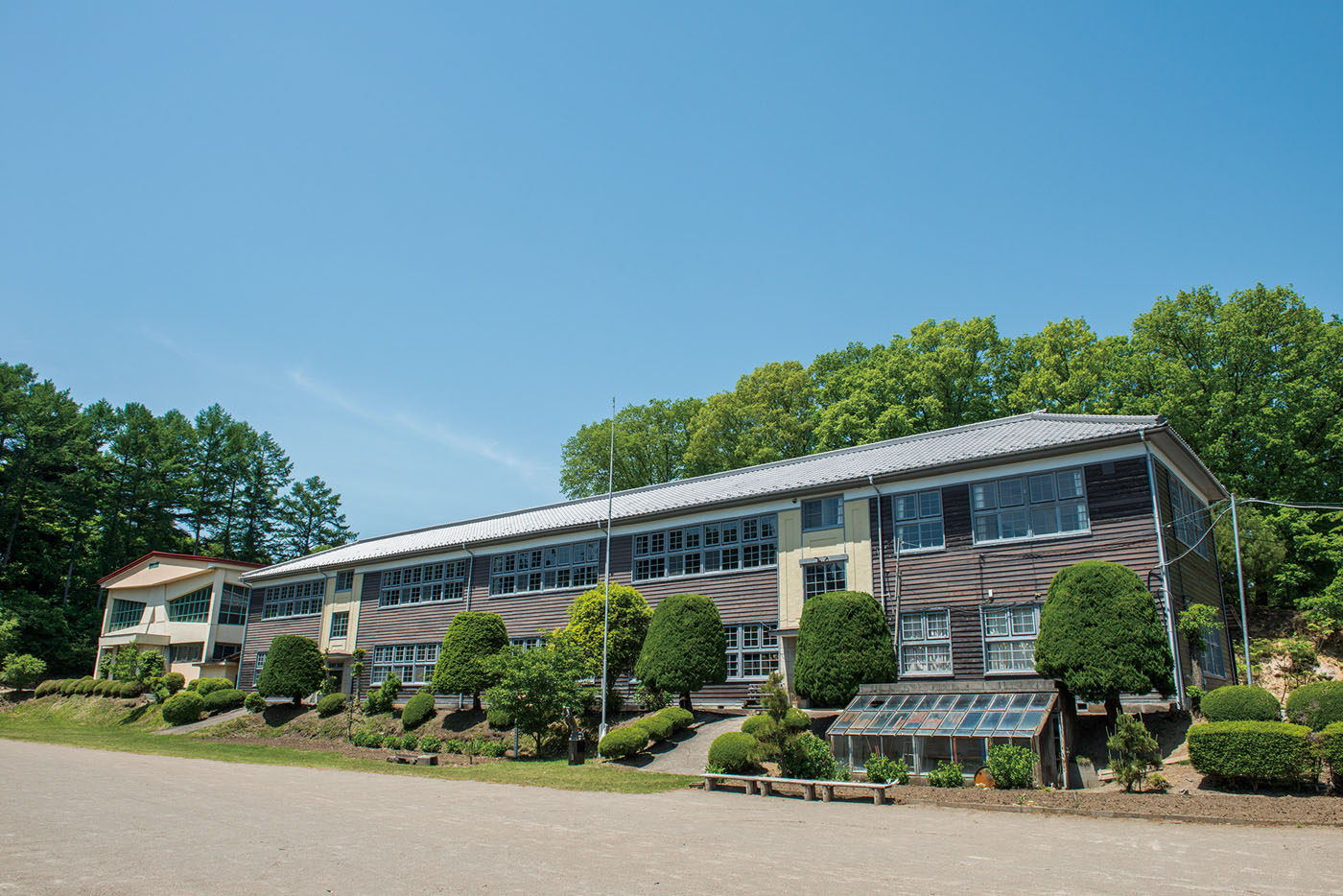
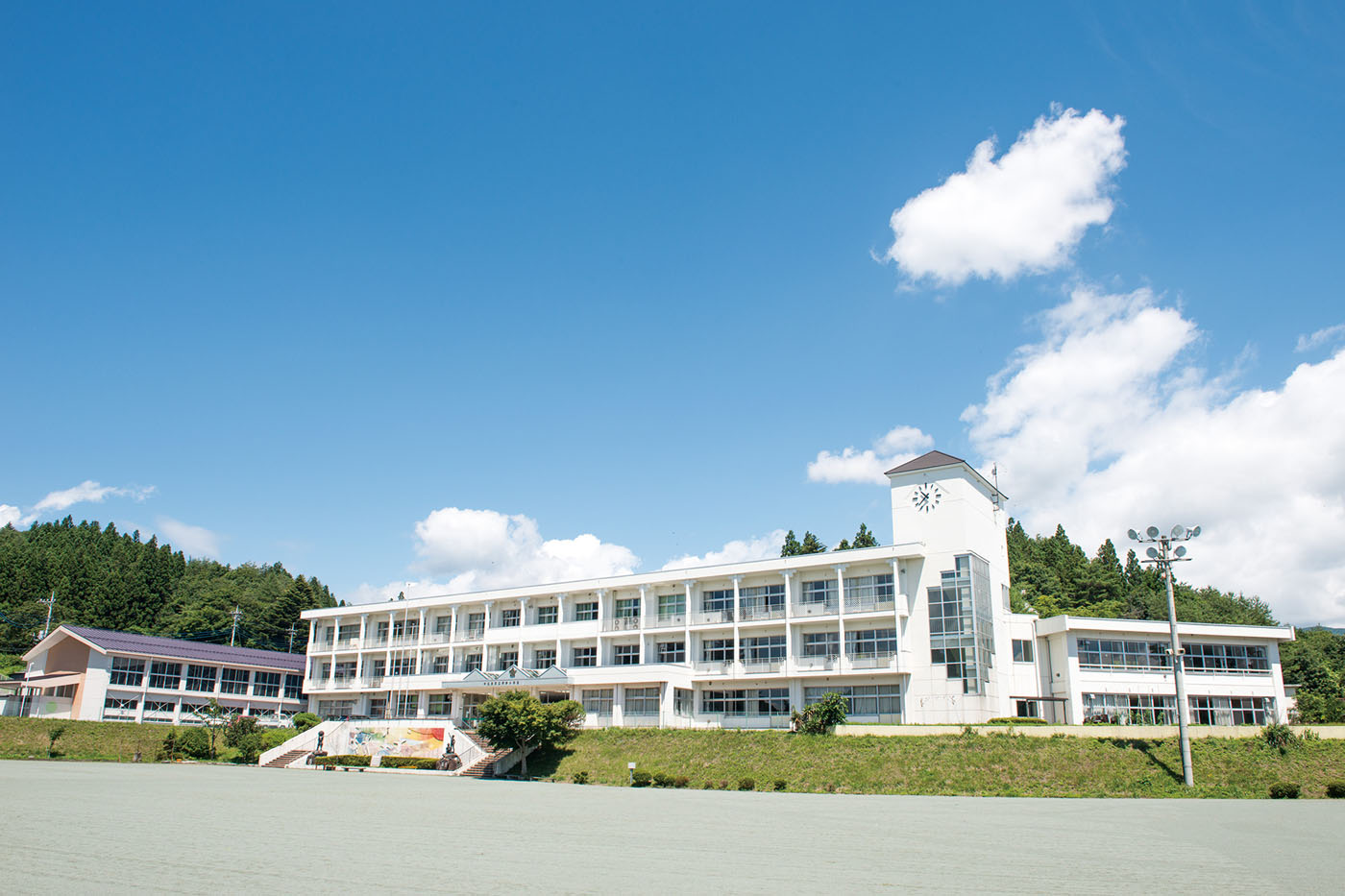
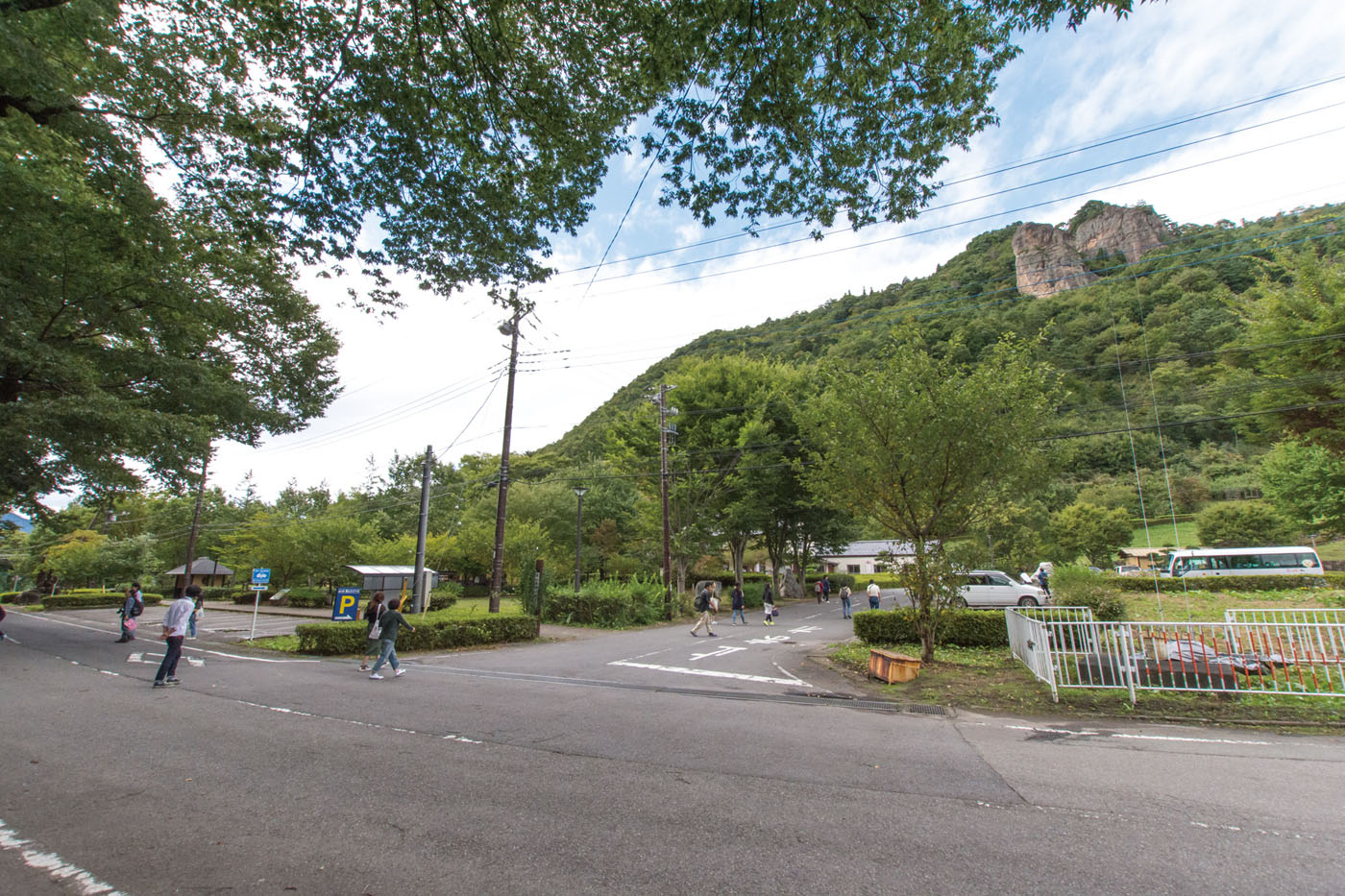
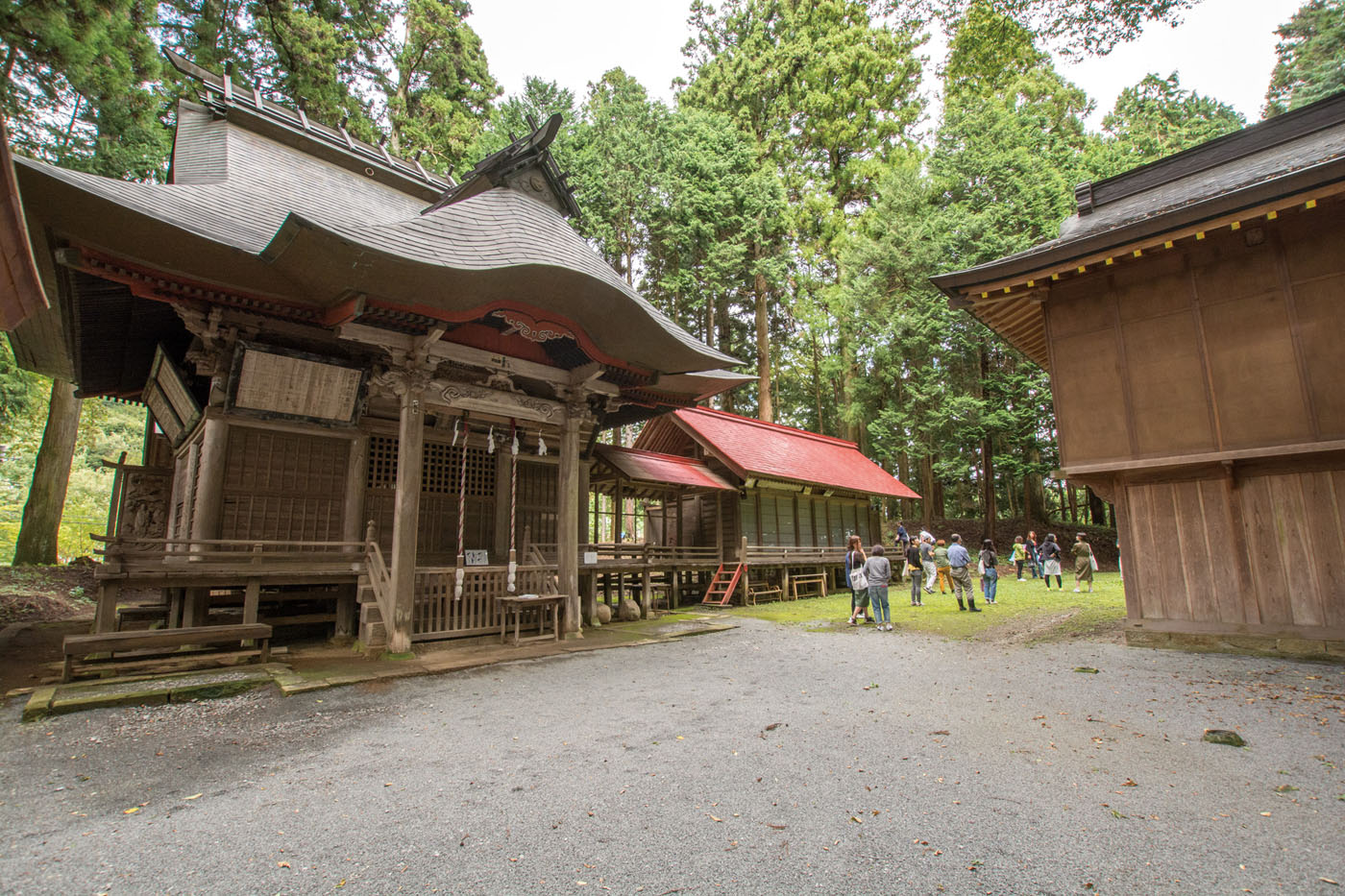
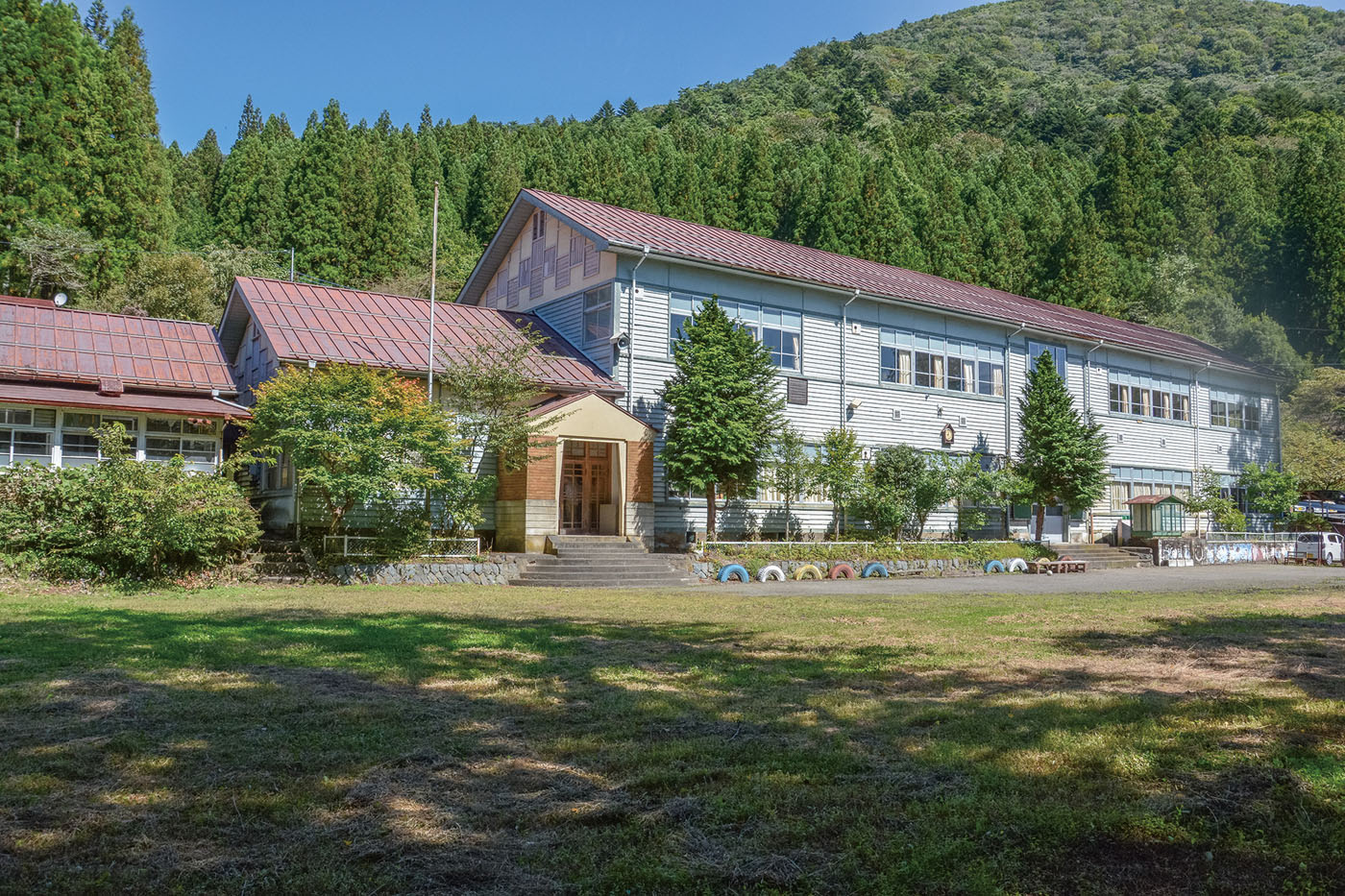
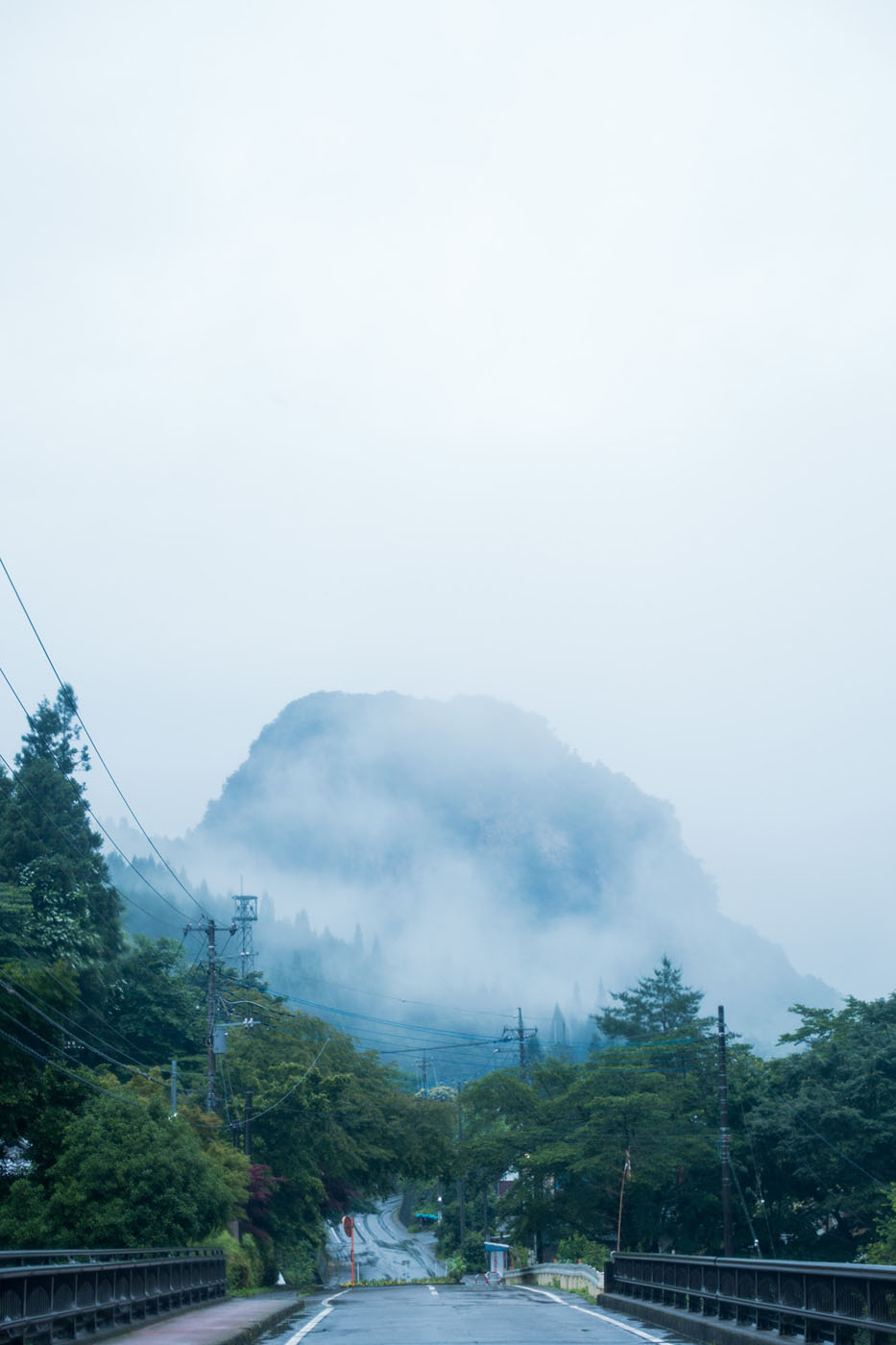
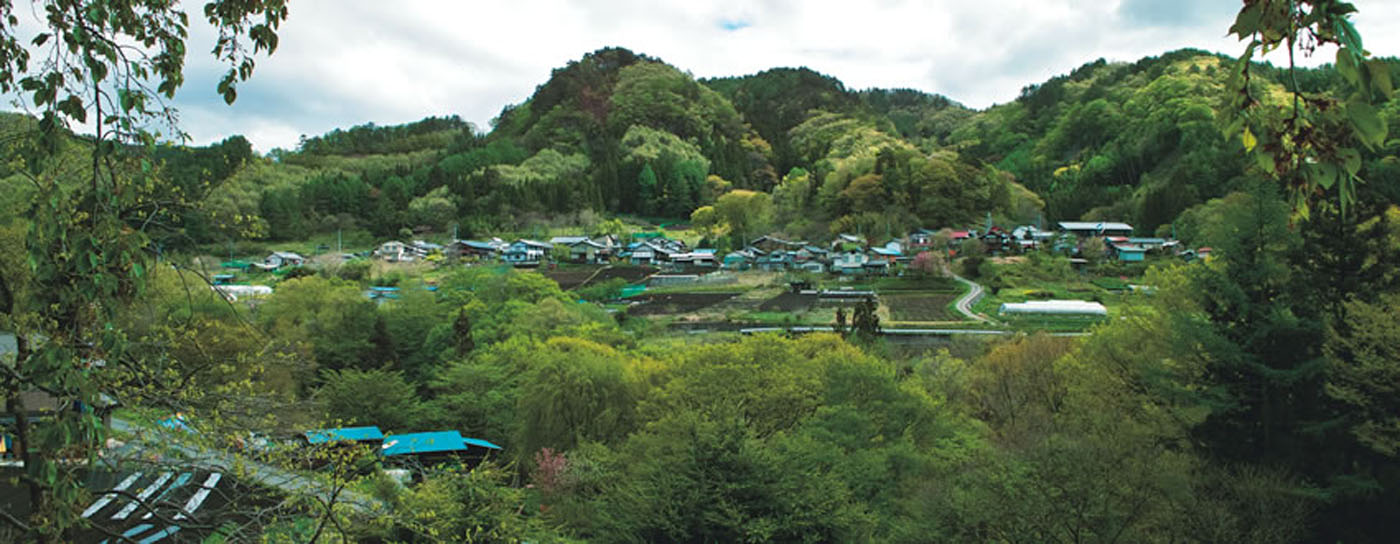
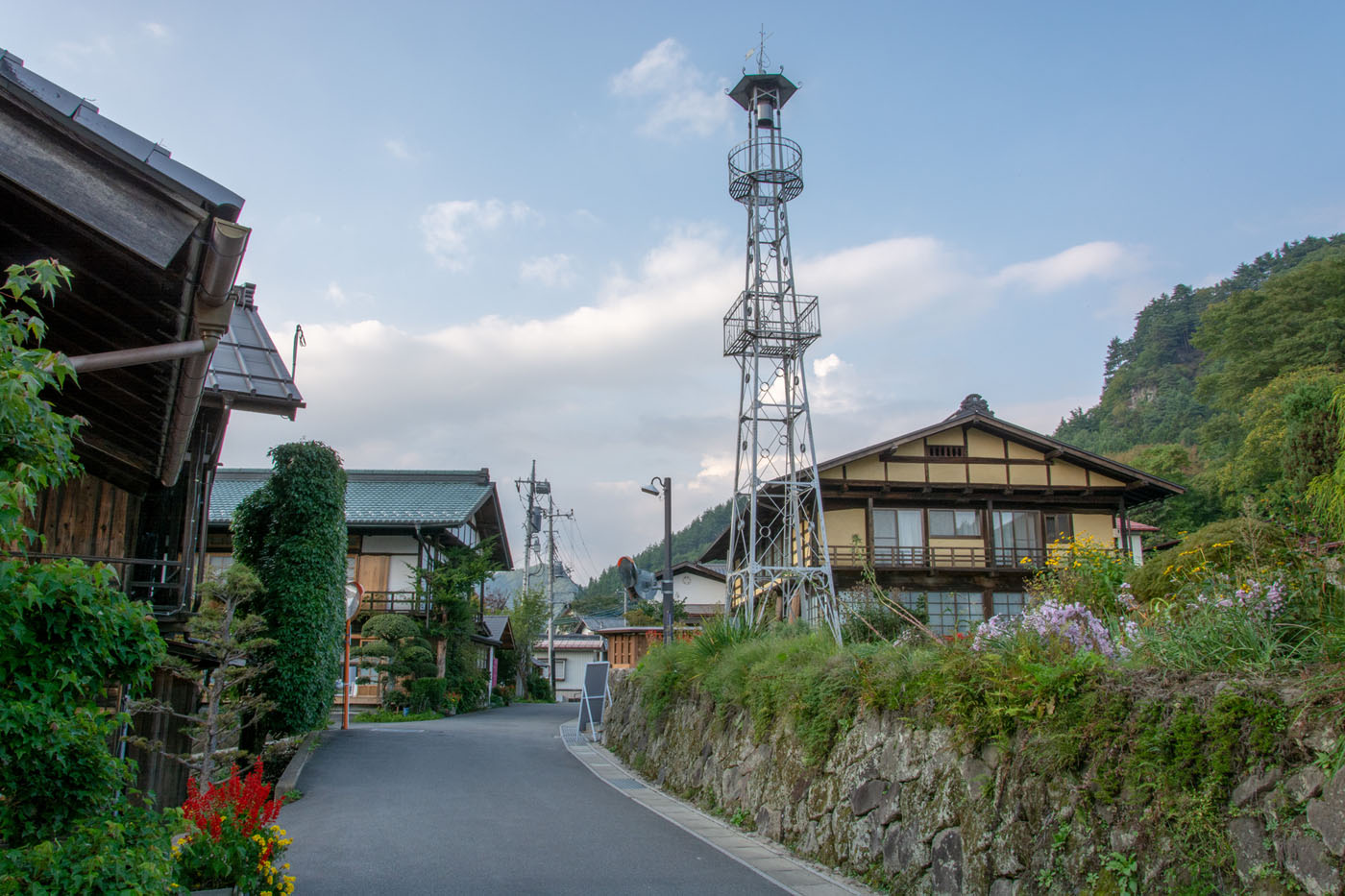
Isama is in the mountains, and houses are dotted throughout the area. The mountain, Reizan Takeyama, and the beautiful Chikato Shrine are symbols of Isama. Reizan Takeyama is believed to be sacred by locals and has excellent day hikes. Isama was declared as one of “the most beautiful villages in Japan.” The Biennale headquarters and one of the main artist residence buildings are in the area. Isama is a 15-minute drive from the town center.
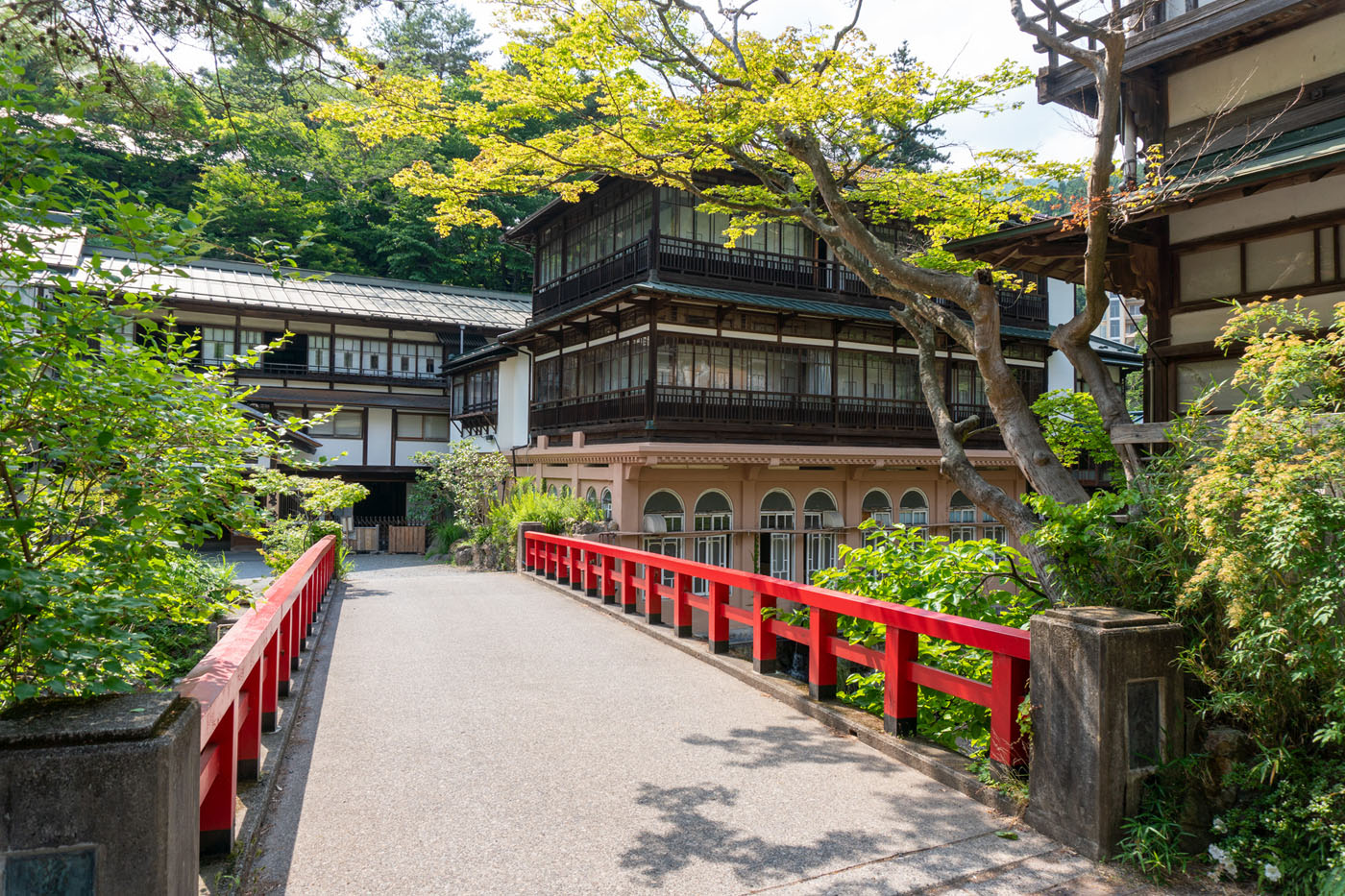
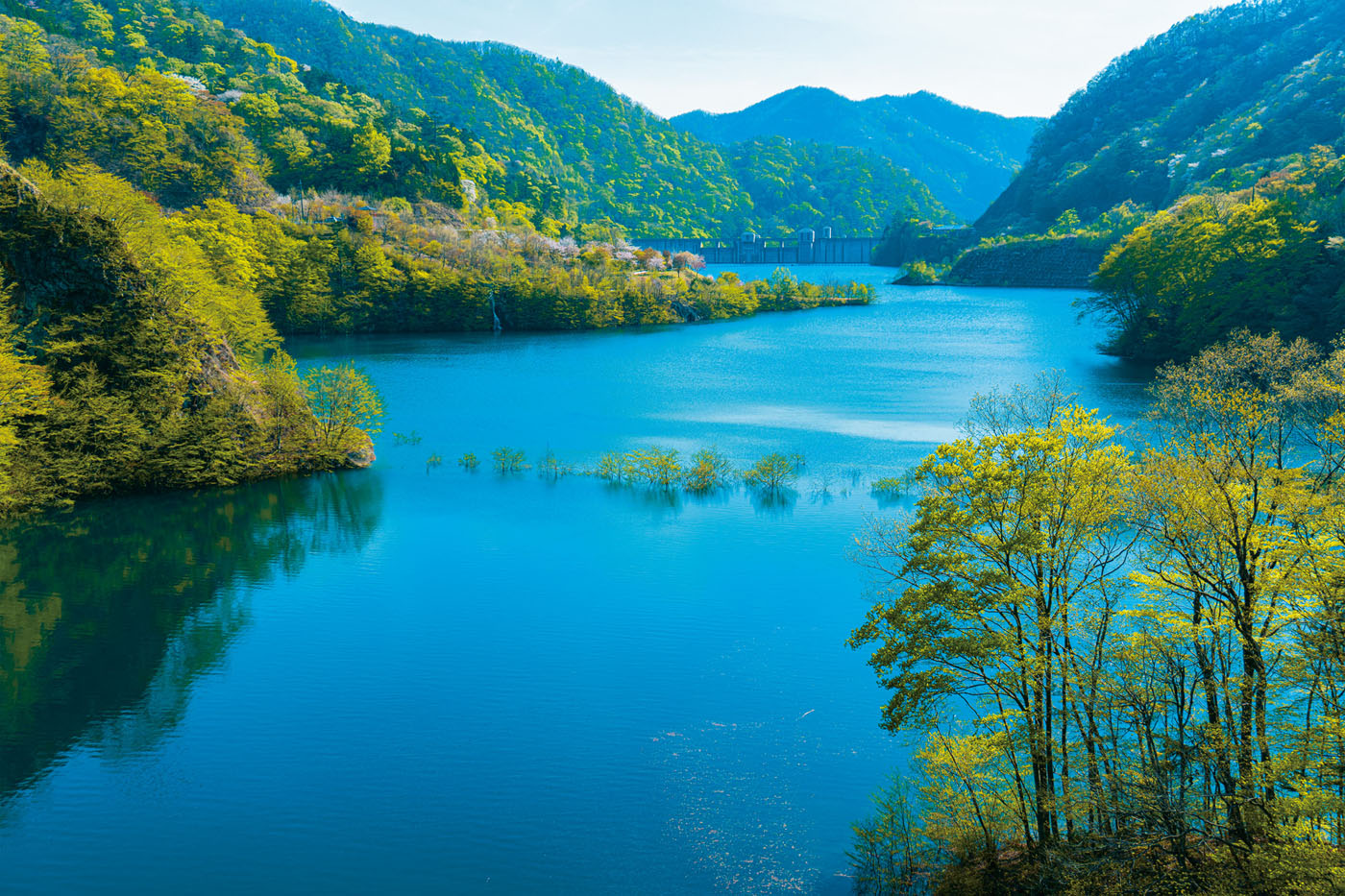
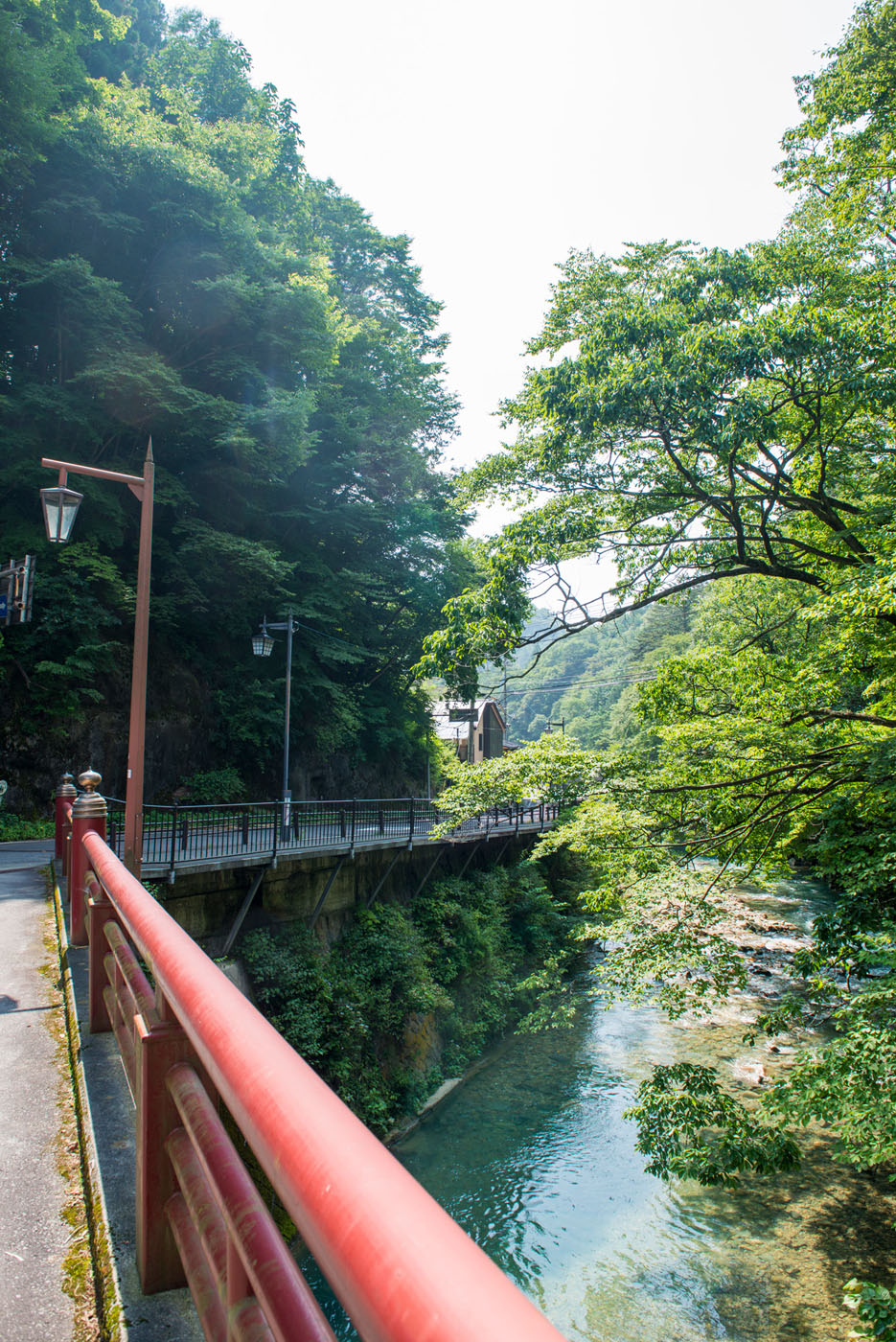
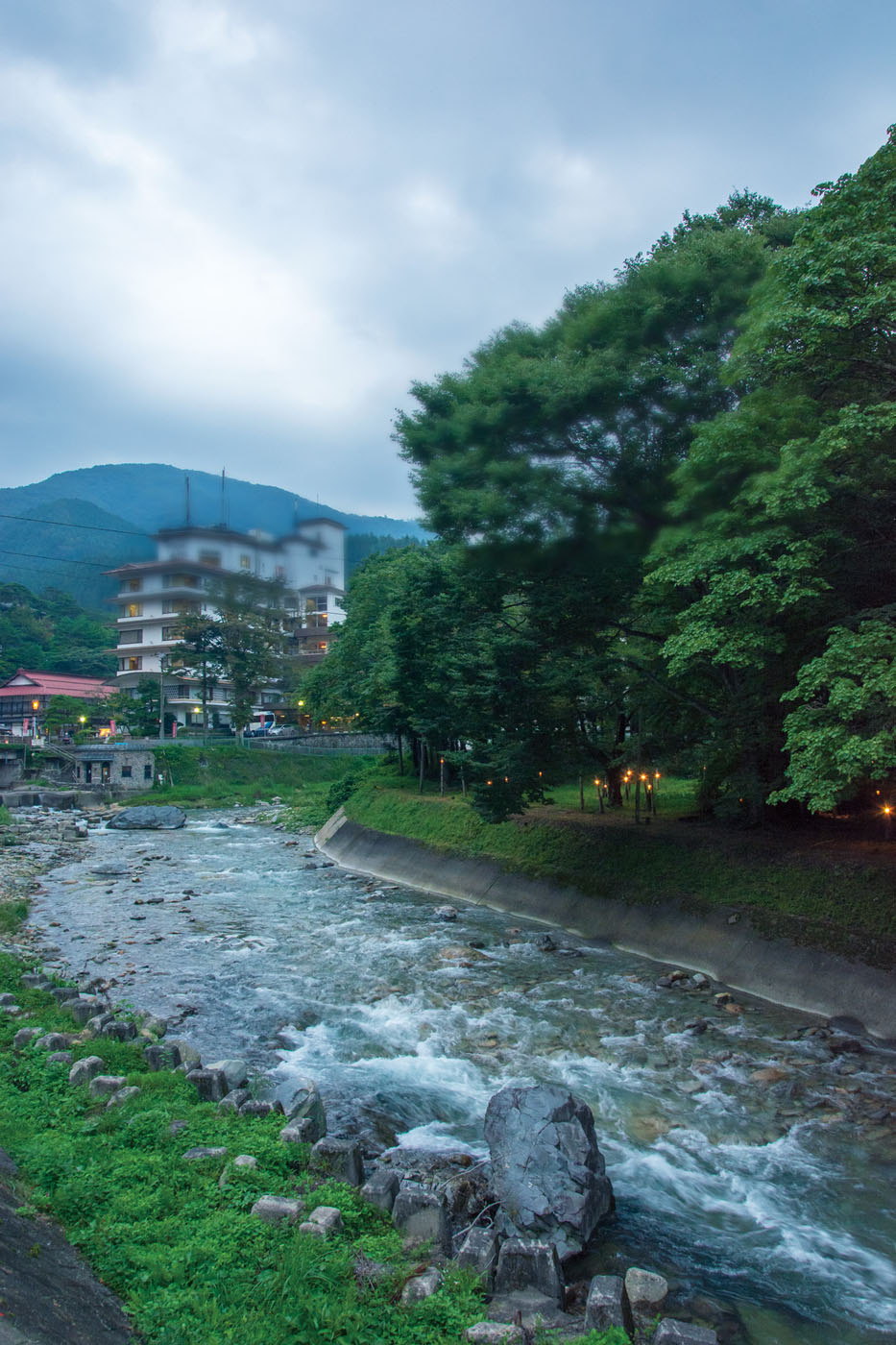
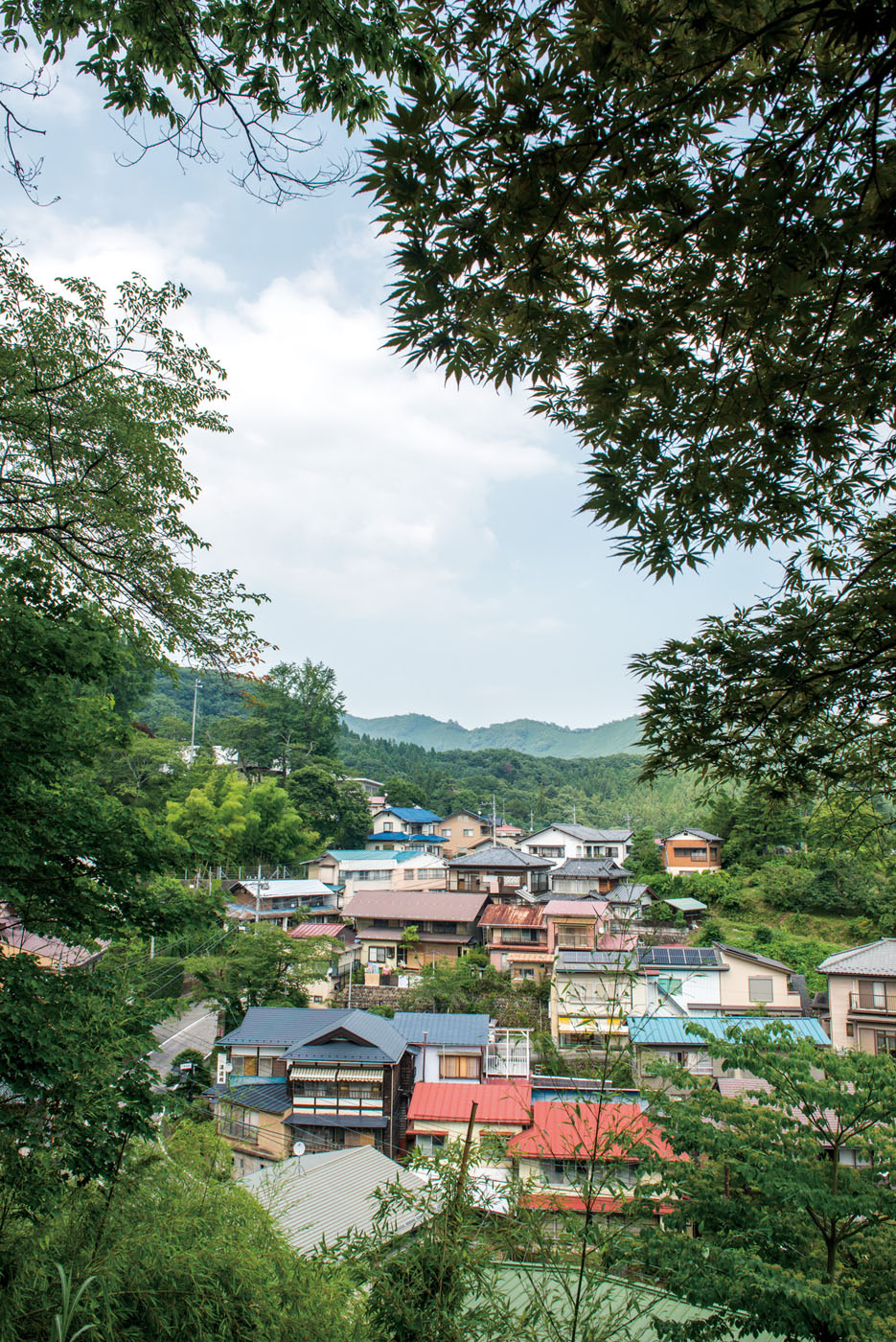
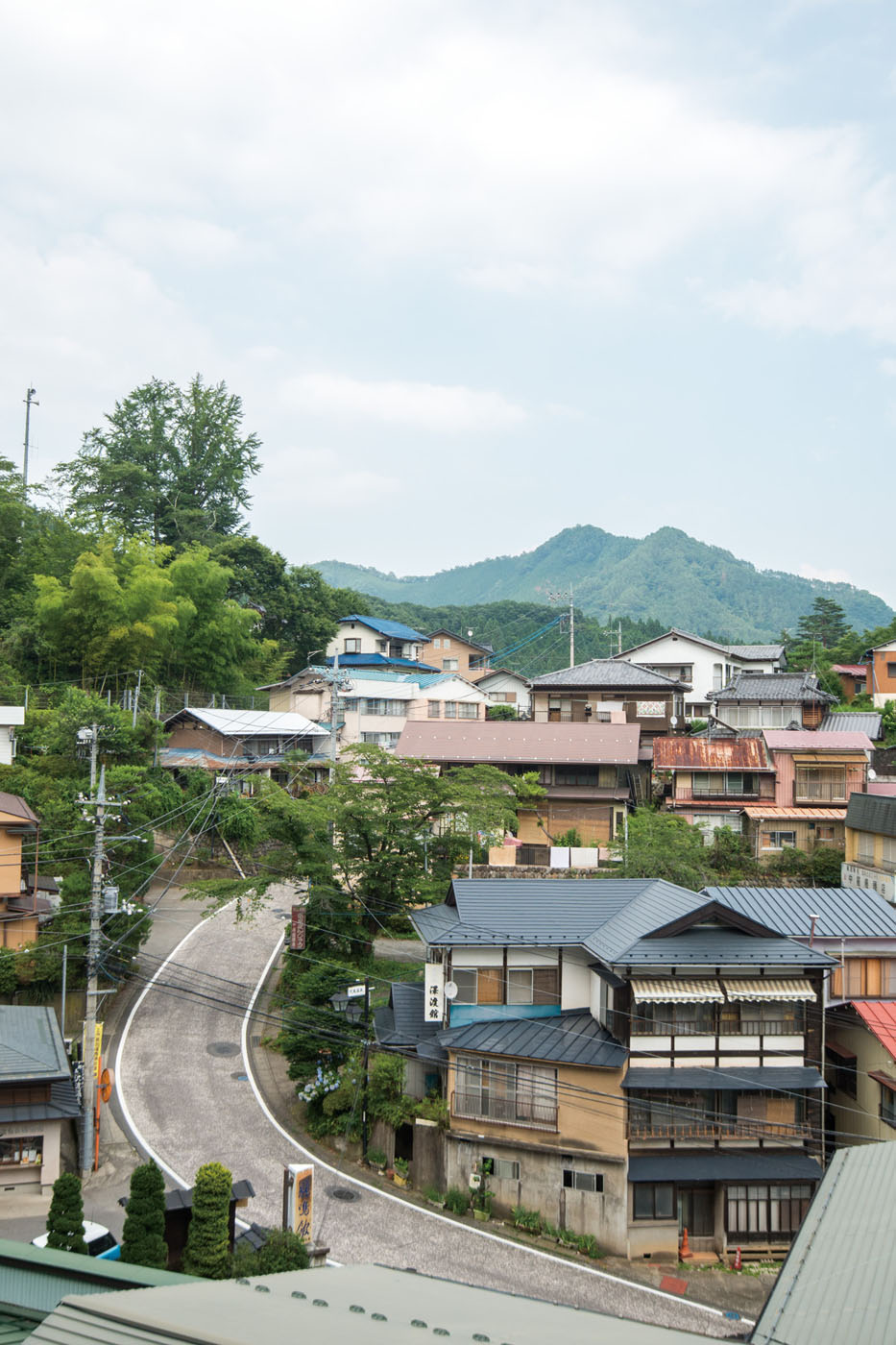
Shima has an 800-year-old history and is the most touristic area in Nakanojo because of the onsen (hot springs). Surrounded by nature, a beautiful river and streams cross the town. Historic onsen streets are full of tourists, but once you leave the main road, it’s quiet and relaxing. The famous color of water, “Shima Blue,” can be seen at Shima lake. Shima is a 30-minute drive from the town center.
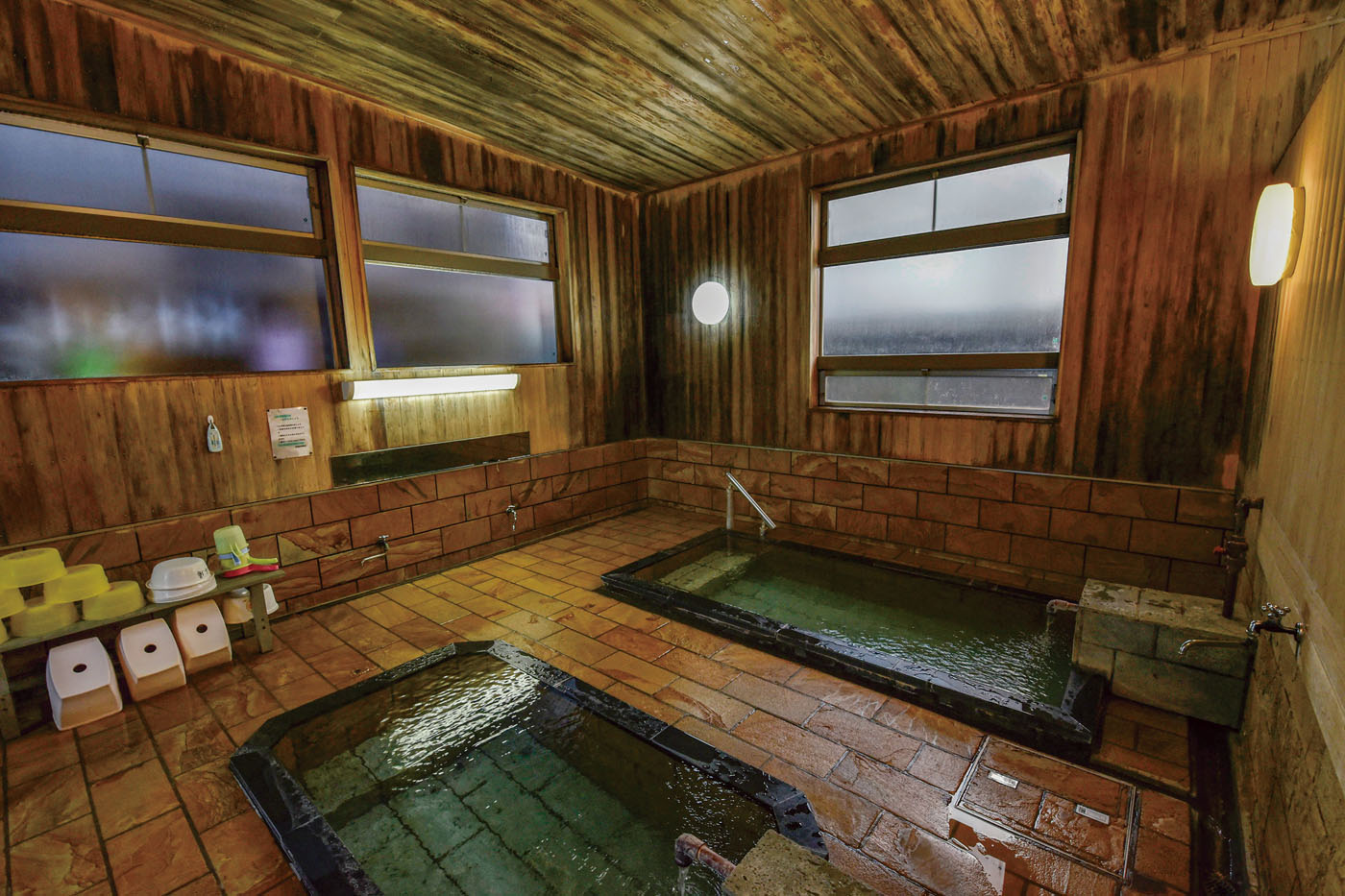
Sawatari is a quiet onsen town located between Nakanojo town center and Shima. It's small and less touristy than Shima and has many hills, slopes, and alleys. There is a small public bathhouse that locals use every day.
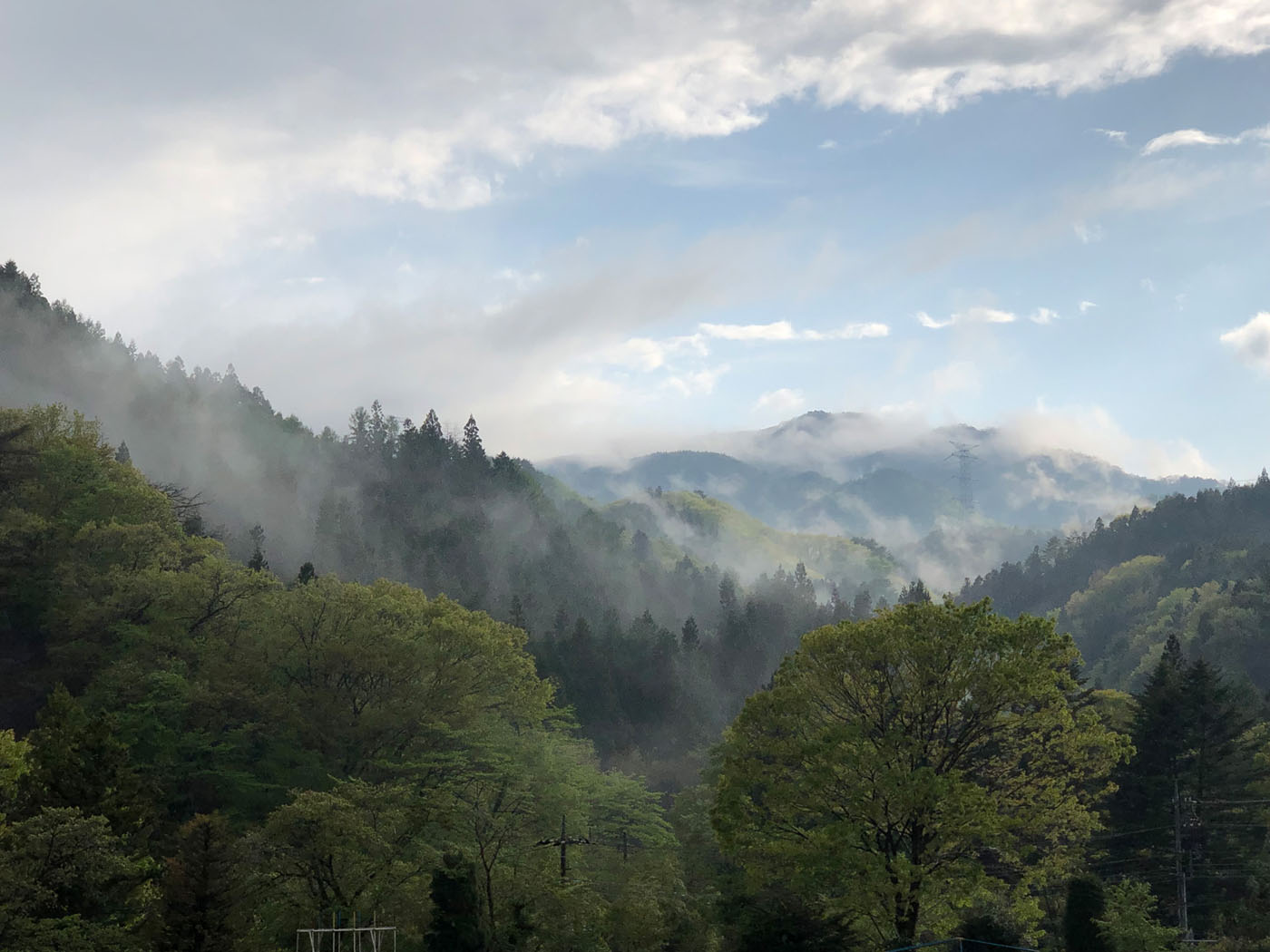
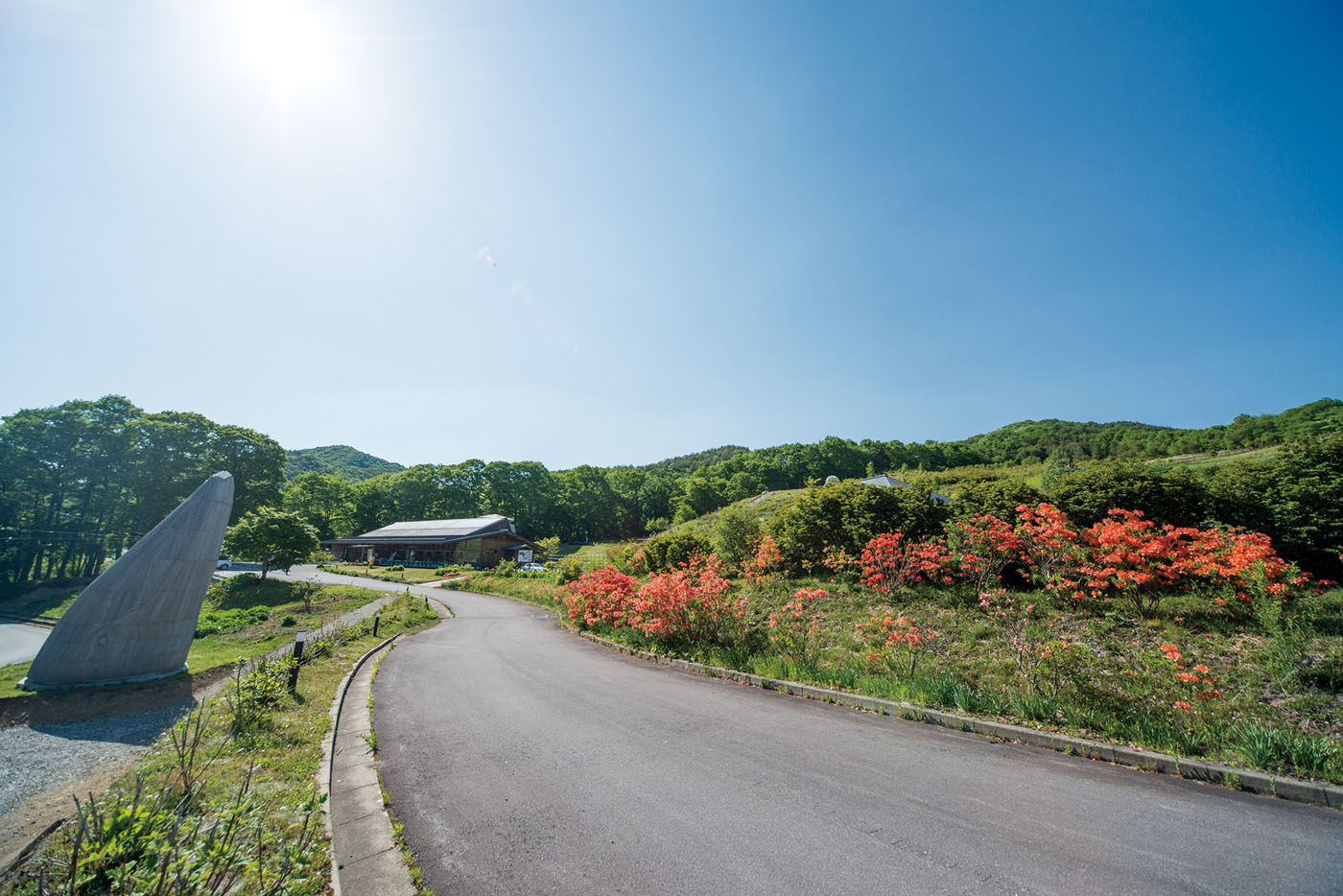
Kuresaka is situated approximately a 20-minute drive from Sawatari, in a sparsely populated area surrounded by mountains. One of the main venues is the garden facility "Karaku no Sato," where you can observe various mountain wildflowers throughout the seasons. Additionally, along the route to Hanaraku no Sato, there stands a monument dedicated to the renowned writer, poet, and haiku master, Bokusui Wakayama, at Kurasaka Pass.
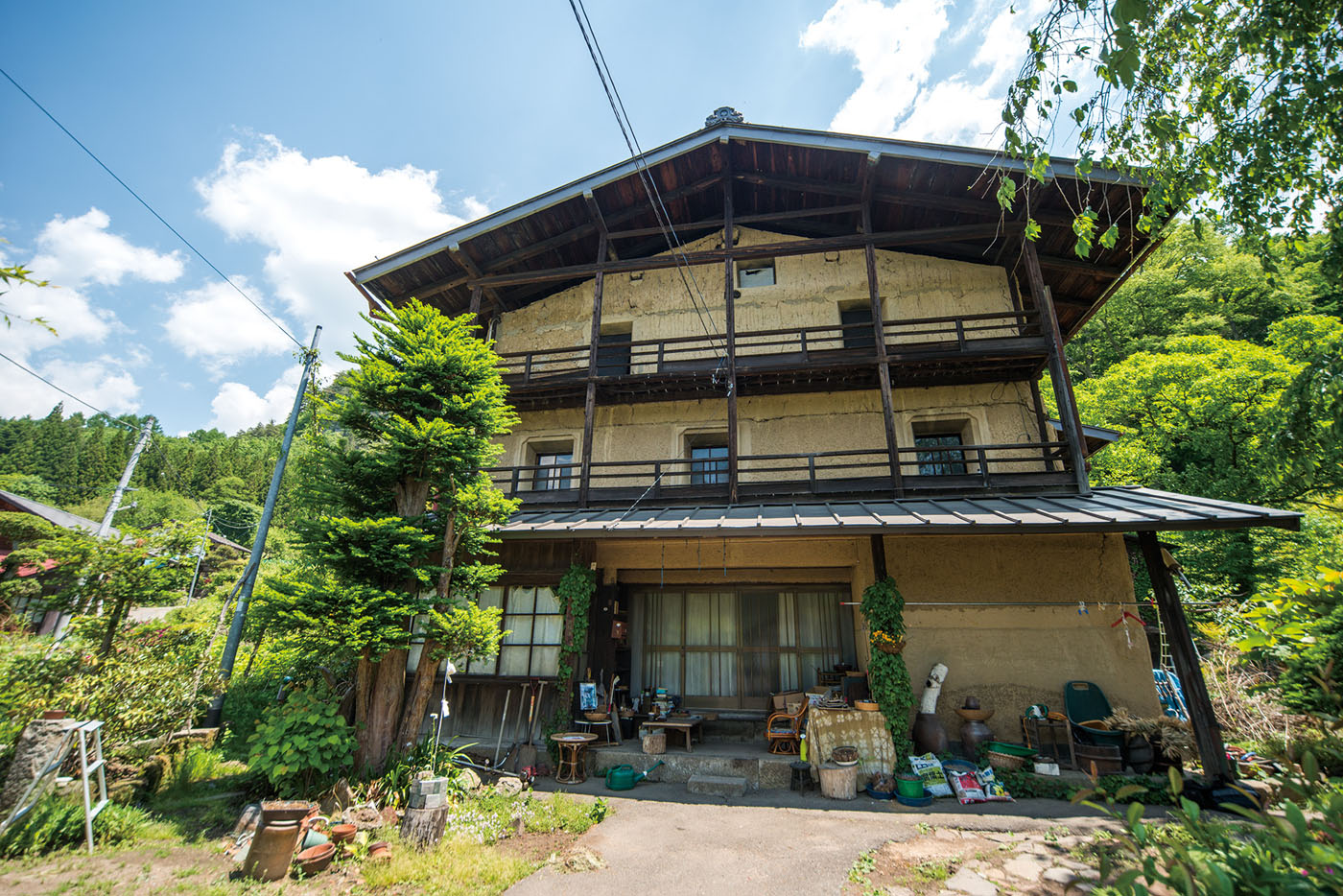
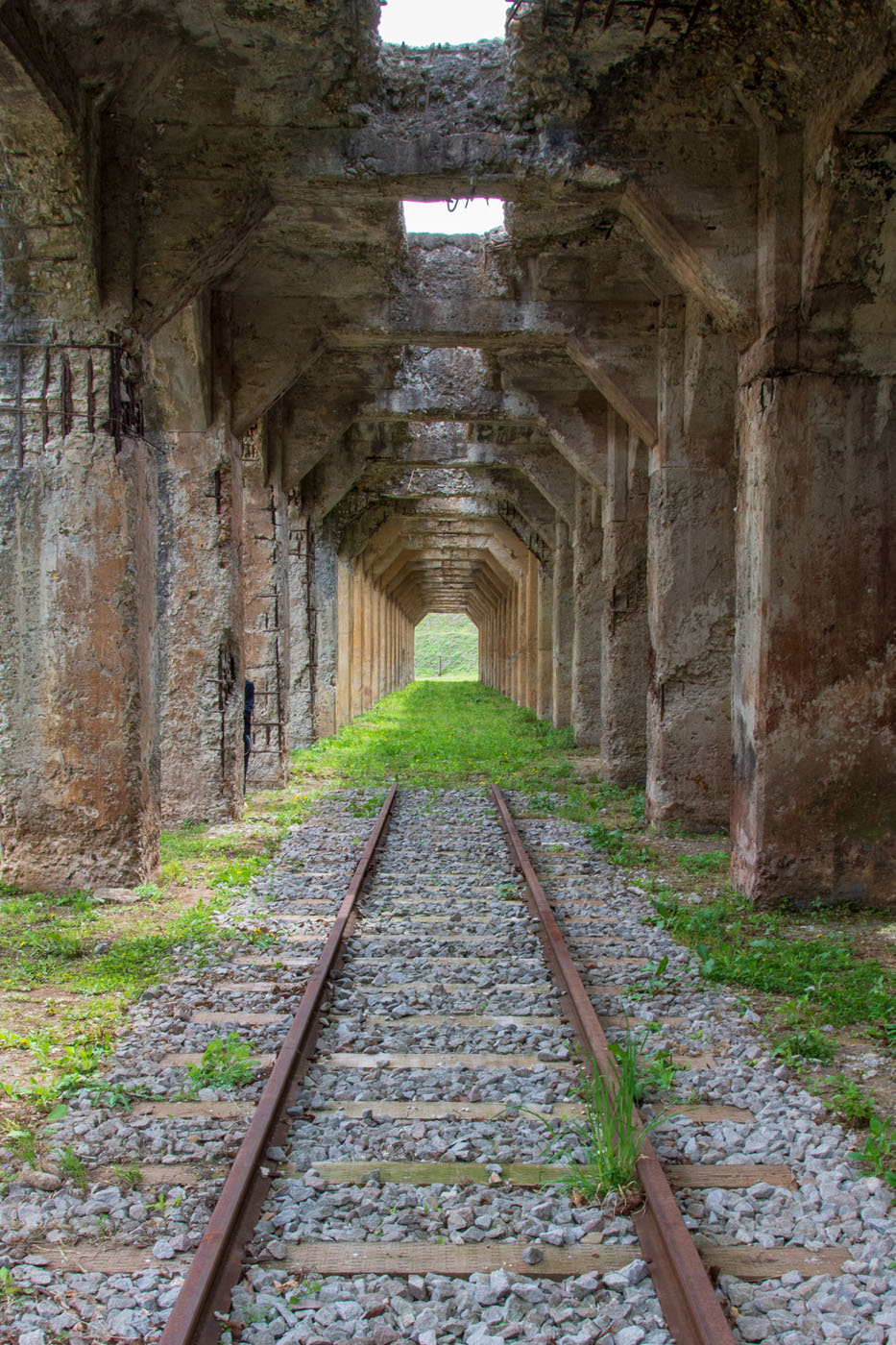
Kuni is the most isolated area in Nakanojo with no shops but a lot of nature. Akaiwa is a district within Kuni that has sericulture farmhouses and a historic street filled with traditional Japanese residences. Akaiwa was the first site in the Gunma prefecture designated for preservation and historical importance. The Oshi train station, now a ruined structure, is a symbolic site of the area. Traditional craft works are still alive in this area such as “Menpa” (wooden lunch box), “Konkon Zori” (Japanese sandals) which are made by a technique of “Nedofumi” (soak the edge in onsen water and make it softer by stepping on it). Kuni is about a 50-minute drive from the Nakanojo town center.
Please submit your application via web form or mail by Sunday, July 12, 2026.
Results will be sent in the middle of August by post to local applicants and by email to overseas applicants.
Orientation dates: Saturday September 5, 2026
The orientation will be held online through Zoom. We will provide an overview of the event, so please be sure to attend in person. A proxy representative will be allowed to participate only in unavoidable circumstances.
Viewing schedule: Sunday, September 6 - Monday, October 5, 2026
Artists are allowed access to preview the venues during this time. Please let us know your schedule and preferred venues to visit. We will organize a bus tour to visit the venues. The tour dates will be posted along with the selection results.
* Required for first-time participants who live in Japan, optional for experienced participants or participants who do not live in Japan.
* If you wish to visit the venues after the inspection period, please contact the office.
Submission Deadline: Thursday, October 8, 2026
Please submit your preferred venue and exhibition proposal by the deadline. We try to place artists based on their request and plan. However, please understand your request may not be accepted because of the location's popularity or difficult logistics.
*Nakanojo covers a large area and having your own transportation would be ideal for your activities here. It may require you to have a valid driver's license depending on locations because of no public transportation.
The artist location request and plan will be coordinated by late December 2026, and then we will inform the artists.
Once your venue is confirmed, you become an official participant artist of the Nakanojo Biennale. If you do not accept an alternative venue we offer, we may decline your participation. Once you have decided to participate, you can conduct on-site research under the guidance of the Biennale staff. Please note that residence use in Nakanojo will be available starting from April 2027.
Please prepare the following and submit your application via the web form.
23:59 (UTC+9) Sunday, July 12, 2026
*The Image Sheet is not included in the portfolio page count.
*Recommended software for digital completion: Adobe Acrobat
Postmarked by Sunday, July 12, 2026
Please mail your Portfolio and Image Sheet to the office according to the following requirements.
*Adobe Acrobat is recommended for filling out the form on a computer.
*The application form and Image Sheet are not included in the portfolio page count.
The Office of Nakanojo Biennale
〒377-0494 (Postal Code)
Gunma-ken, Agatsuma-gun, Nakanojo-machi, Nakanojo-machi 1091 Japan
TEL: +81-279-26-7727 (Japanese only)
*Ueno Station is one stop from Tokyo Station
**Shinjuku Bus Terminal is 15 minutes by train from Tokyo Station